
Hi there! If I met you at Dragonmeet, welcome. I’ll be updating this blog with updates on Il Fantasma del Giallo, thoughts on Giallo and game design, and other things I’m sure.
This time we’re gonna explore some of the ways the Giallo genre can manifest and talk about what is and isn’t “load-bearing”, with the help of Lucio Fulci’s first Giallo, One On Top of the Other (1969)
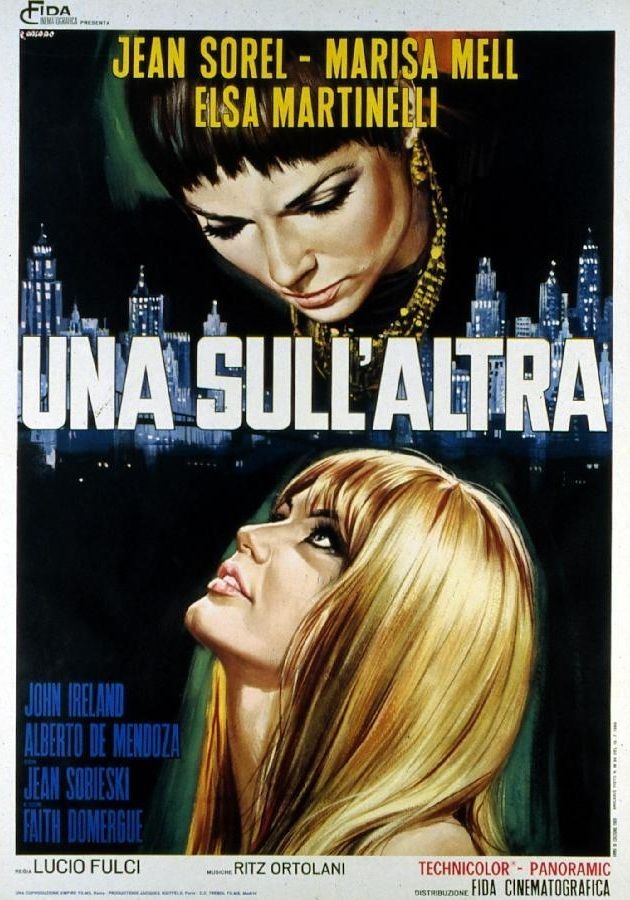
Although Lucio Fulci was already a known presence in the Italian industry, this film (also known as “Una sull’altra” or “Perversion Story”) was his first Giallo, and one of his first non-comedies.
Yeah, the Godfather of Gore was mostly doing comedies and musicals in the ’60s.

I’ll run down the big picture, and then we can talk themes.
San Francisco. Our central character is Dr. George Dumurrier (Jean Sorel), a hunky dreamboat who runs a medical clinic with the help of his brother Henry.
George is also a liar who makes up stories for attention and funding.


Wife Susan (Marisa Mell), suffering from various illnesses, hates him for focusing too much on his clinic and for never spending time with her.
He keeps a nurse on staff, though the nurses rotate frequently due to her temperamental manner.
New nurse, dangerous meds, what could go wrong.


Anyway the wife dies while George is away for a weekend in Reno with his mistress, Jane (Elsa Martinelli), reportedly from an asthma attack.
The good news is that Susan apparently took out a massive insurance policy on herself that George never knew about. The bad news is that this is sus as fuck.


While on a date with Jane, George is tipped off, via mysterious phone call, to a strip bar where a woman who looks strangely like Susan has apparently been performing for a while. She’s called Monica (Marisa Mell), and she seems to not know George or Susan.
Anyway George bangs her, obviously.


An insurance investigator who’s been following George notices the weird similarity and tells cop Inspector Wald (John Ireland).
The cops search Monica’s apartment and find a sheet of paper on which she was practicing Susan’s signature, and later an envelope containing ten grand.


She spills that she was given the money by one “Betty” in order to sign an insurance policy. A rather disturbed, obsessive client of hers arrives to bail her out, only to find that she’s already done it herself. He’s jealous.
They find George’s fingerprints on the money envelope. Open and shut.


Attempts to find the nurse that was on duty that night fail, despite a strong lead that she posed for Jane’s studio.
Months later, George has been tried, convicted and sentenced to death by gassing.
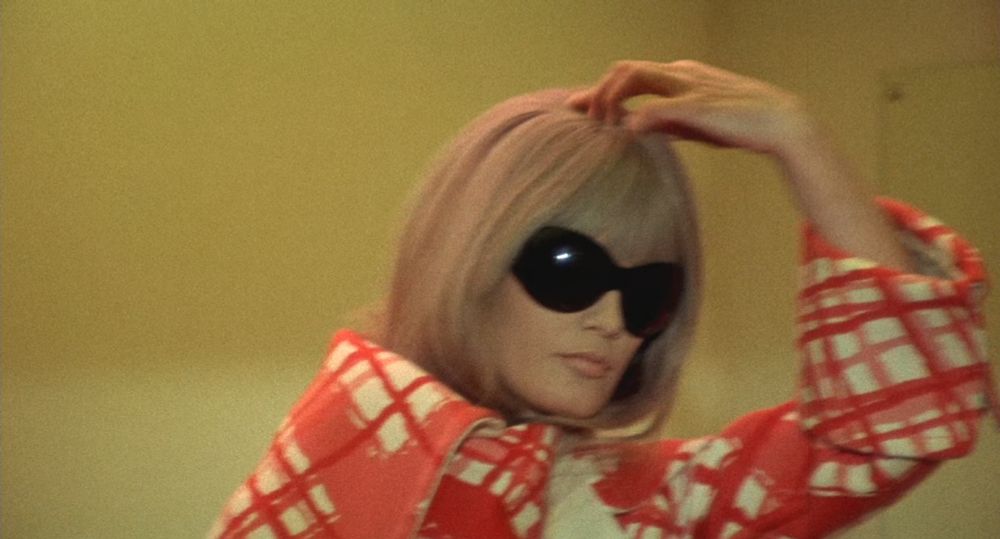
“Monica” skips town by plane, shedding a wig and contact lenses, and using Susan’s passport.


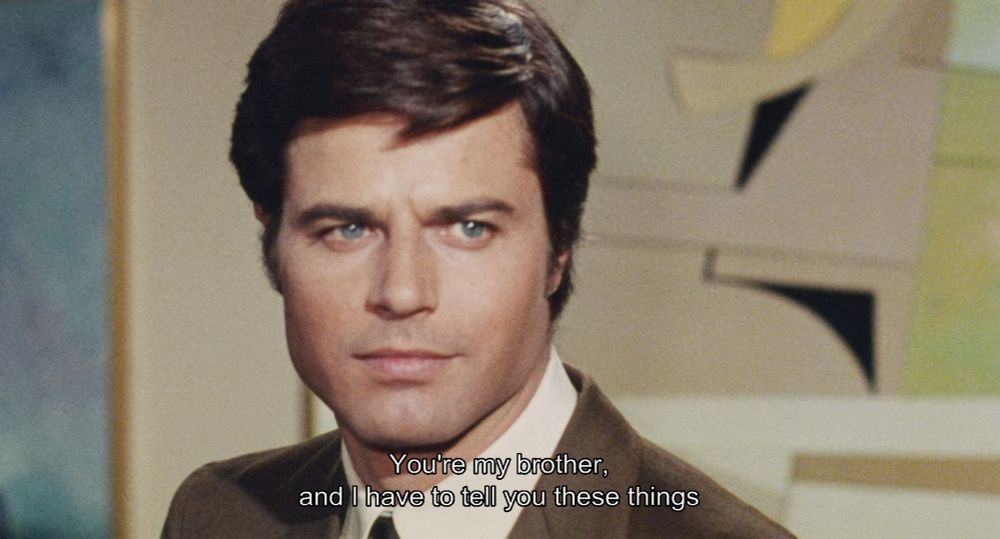
George’s brother, Henry (Alberto de Mendoza), confesses to him on the night before his execution. He’s been sleeping with Susan for years, and the two of them devised this plan in order to get rid of George, and commit insurance fraud.
They murdered the nurse to provide a suitable corpse.


Though George’s case gets reopened for 24-hours, they hit dead ends due to Henry falsifying dental records and Susan’s sister, Marta (Faith Domergue), covering for her.
Jane continues to believe he’s innocent, but sorry bud, no one else does, so into the gas chamber with you.


At the final moment George is saved due to the obsessive client of “Monica’s” following her and Henry to their escape in France, and gunning both of them down out of jealousy.
A newscaster explains that George was released mere seconds before the gas lever was about to be flipped.
The end.
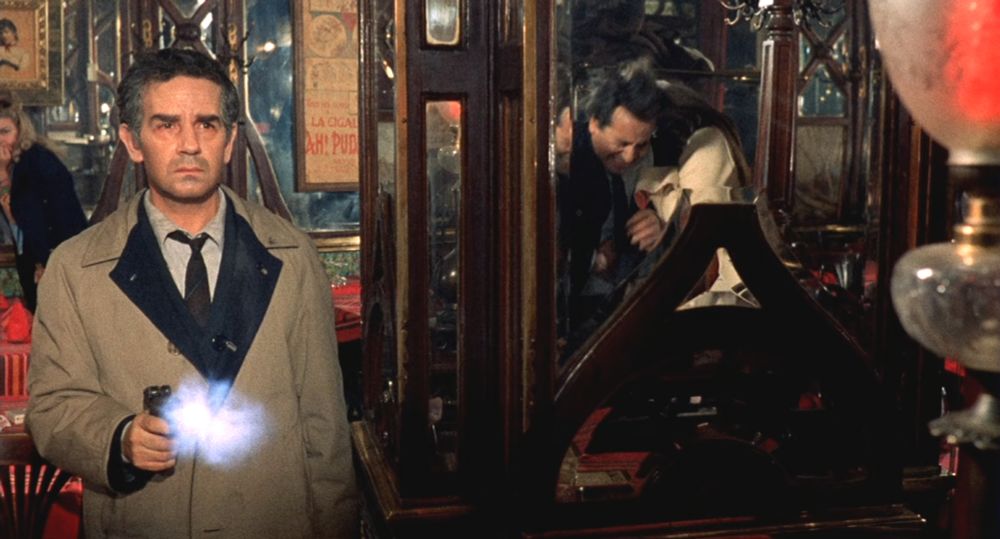

If you’ve read my previous threads, this one might seem a bit different. There’s no masked killer, there’s no brutal murders. In fact, for most of the runtime only one death has happened (Susan/the nurse). Two more happen at the end, but in fairly tame fashion.
So why, exactly, is this a Giallo?

There’s a few reasons. The simplest is also the least helpful – all mystery stories are Gialli, because that’s just what the genre means in Italy.
But that’s not how we’re using it! So let’s be less pedantic and more verbose, somehow.
The question is: what is the load-bearing element of a Giallo?


Well, it’s not brutal murders or masked killers. That’s a common element but it’s not crucial.
It’s not just murders, either. If it were, a lot of films earlier than 1963 would apply.
If I had to boil it down, Gialli are crime mysteries with two key additions: sleaze and thrills.
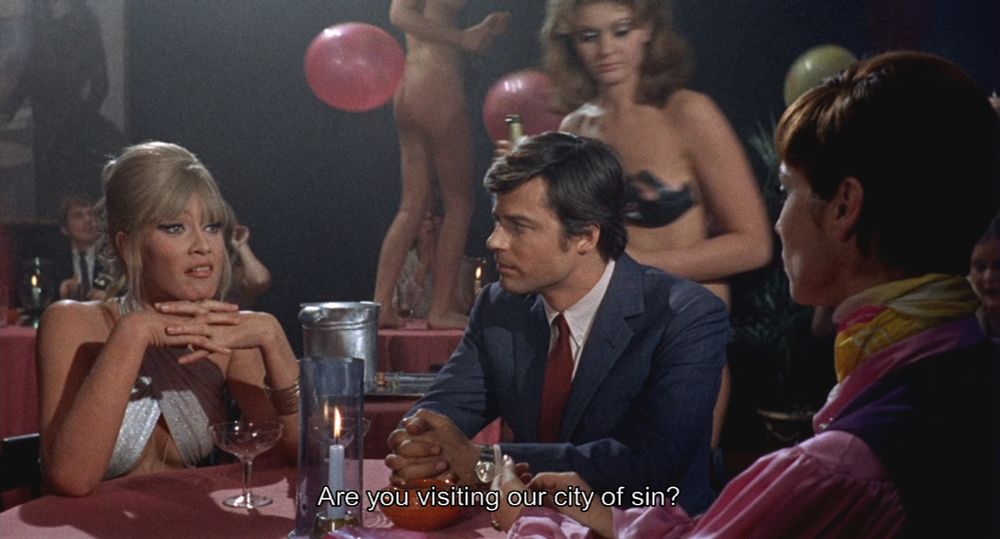

Sleaze: everyone’s lying, everyone’s cheating, people are doing drugs, hiding depravities, and suppressing urges. Society and decorum are thin veneers covering base desires.
Thrills: no one can be trusted, danger is always present, and the only authorities present are malicious or incompetent.


You can strip away a lot of the other common elements, but as long as you’ve got those things (crime mystery + sleaze and thrills), you’ve got a Giallo film.
This film has plenty of other stuff that you see a lot in these films, however, so I’ll run through some of those tropes and themes.

Theme – identity and duality:
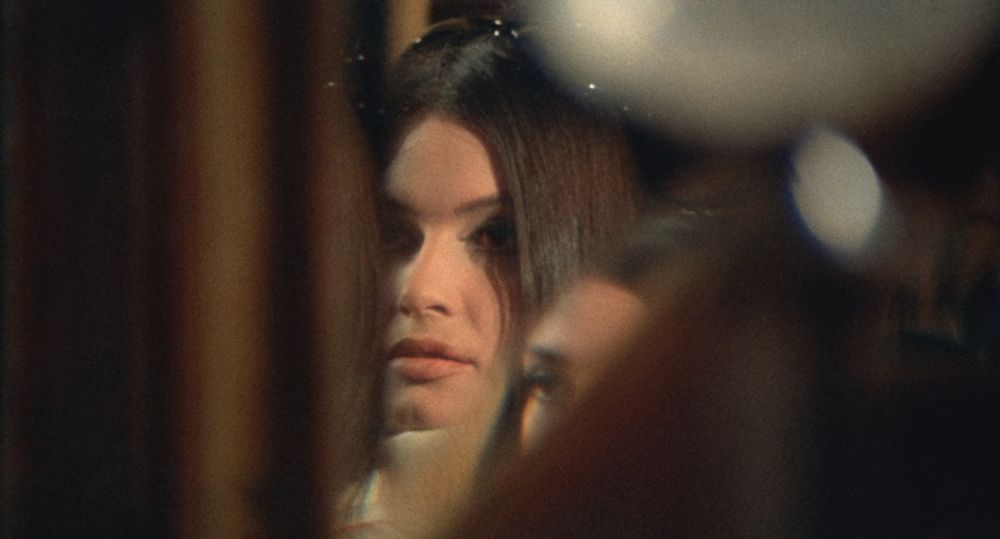
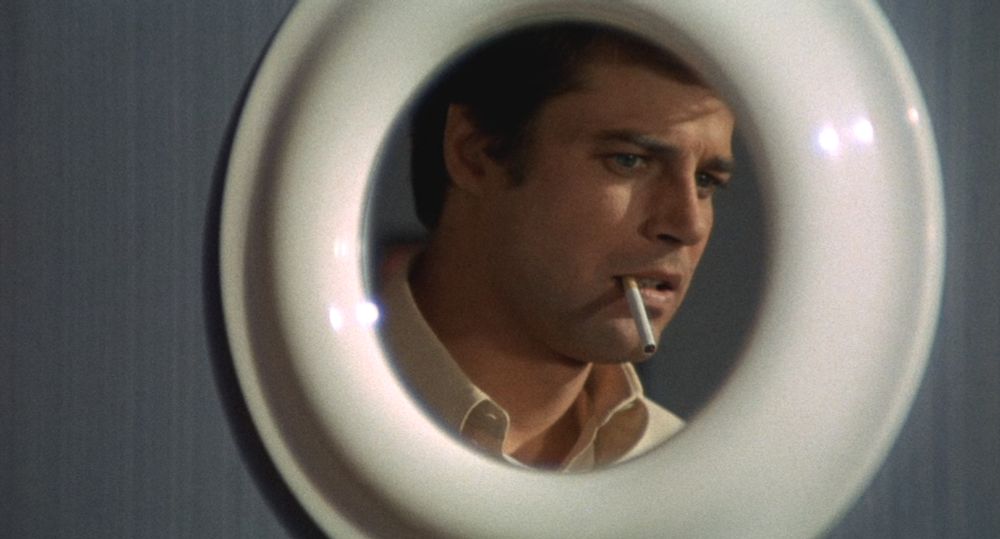
Reflections are a constant visual motif in this film. This reflects (teehee) the general theme of dual identity, like a sleazier version of Vertigo.
Characters present different masks to different people, and you’re never entirely sure which is the correct one.


Theme – mistrust and unreliability:
Characters are not honest with each other, and generally fail to honestly represent their desires and motivations. As with many Gialli, characters cannot really trust what they personally witness, as things tend to be misrepresentations of some sort.

Theme – dangerous sexuality:
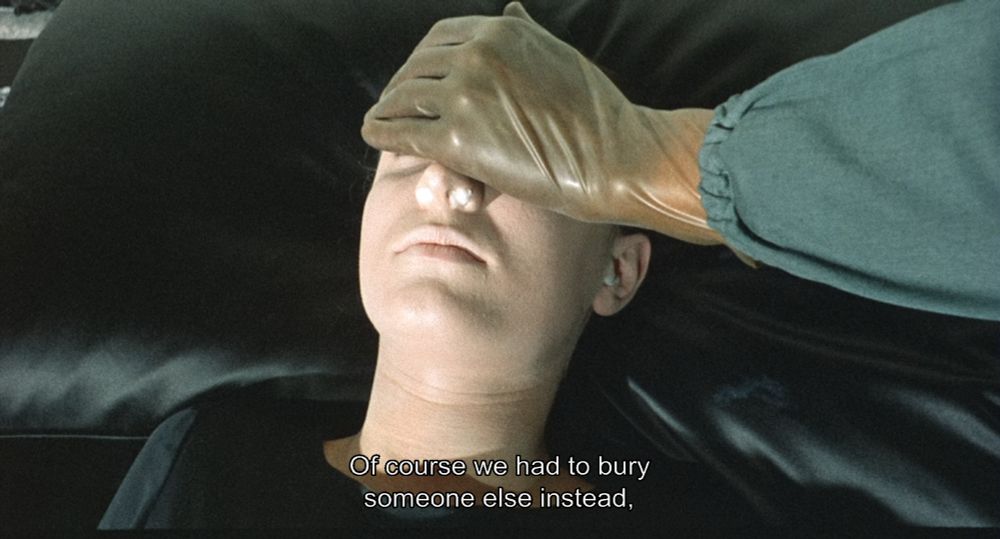
Sex is both ecstasy and danger. It’s used to show how characters exert power over each other.
Jane hates being a mistress, but can’t resist. Jane seduces Monica to surprise her with a picture of the nurse. The killers are killed by a man driven mad by jealousy.

Common element – police are dumb:
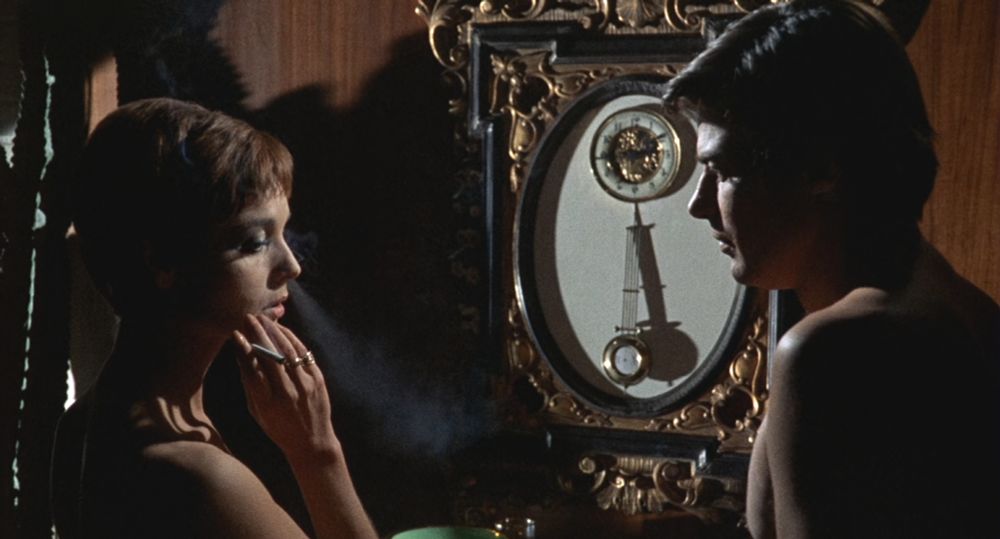
Inspector Wald is entirely gullible to Henry and Susan’s plot, even to the point of it almost not working. The cops only find out it was murder because the insurance agent tips them off, and they never even bother to check dental records until after the conviction.


Common element – everyone kinda sucks:
George is lying, unfaithful conman. Henry is a murderer. Susan is too, and is also cheating. The character that comes out the best is Jane, but she’s still knowingly participating in an affair, and is a pornographer (could be fine, but not in the ’60s).

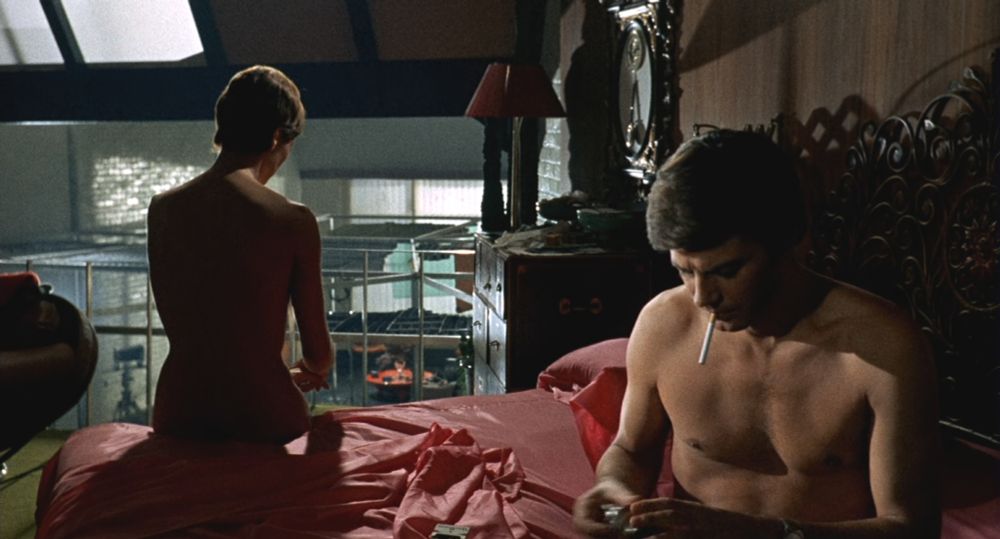
Common element – mood lighting, shadow and colour:
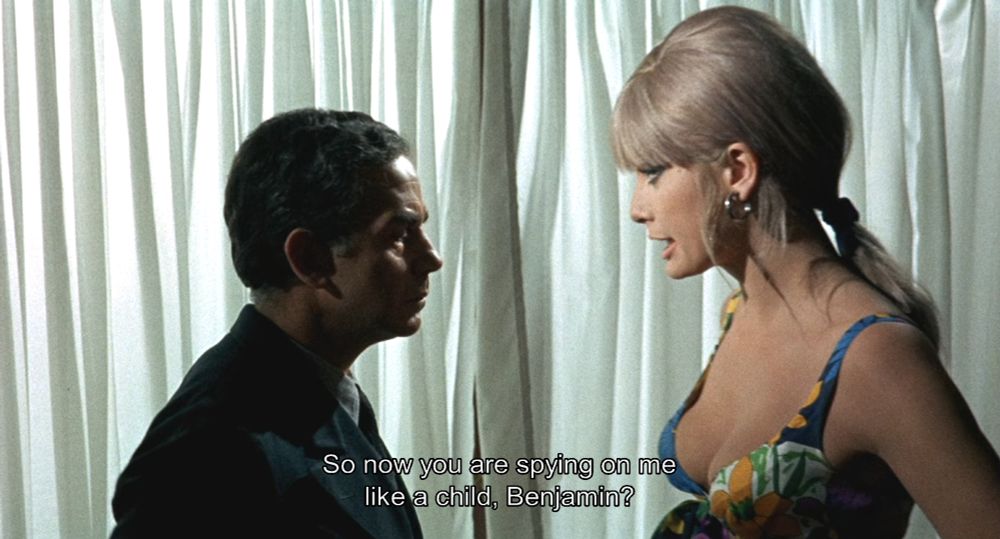
Though more conventional than Blood & Black Lace, this film does make strong use of some thematic colours and shadows.
Along with the more noir-y shots, you’ve also got things like Henry being bathed in green during his bitter little envy speech.


Common element – unsolvable mystery:
The brother who reveals everything is barely in the film before that point. He’s in a few scenes where he never seems like more than a background character.
You can definitely solve that Monica is actually Susan, quite easily actually, but beyond that, no.

As explained before, mystery is just a device used to cultivate suspicion, danger, and thrills – it’s not an intellectual exercise.
So yes, solid film, especially once you get past the first forty minutes or so, and the mystery gets going in earnest.

Next time…playtest document? Maybe!
Either that or The Bird with the Crystal Plumage (1971).
I do these posts in thread form over on Bluesky, so follow me over there if you just can’t bear to wait for me to update the site.
Leave a Reply